

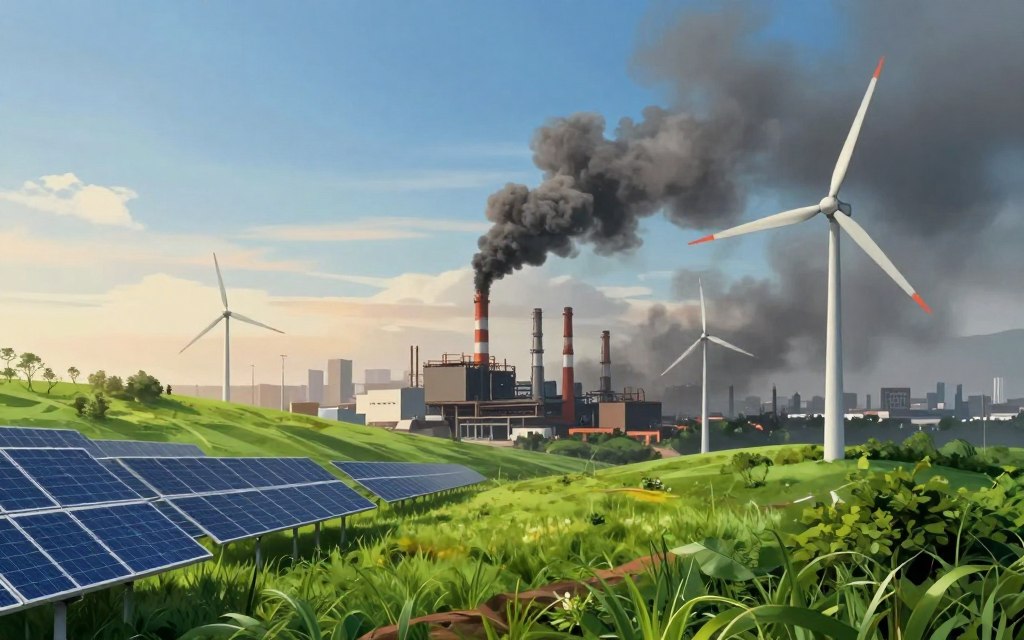
Technology and the environment are closely linked, raising the question: how has technology impacted the environment? Understanding how advancements influence our planet is crucial. Some innovations help nature, while others create serious ecological problems.
Innovations are not inherently good or bad; their effects depend on design, energy sources, and regulation. This article examines renewable energy, smart agriculture, and electronic waste across each product’s life cycle. That cycle runs from raw material extraction to recycling.
Responsible innovation must support sustainable technology, conserve resources, and reduce emissions. By studying the environmental impact of technology, we can better understand progress and sustainability.
Key Takeaways
- Innovations can have both positive and negative effects on nature.
- Design and regulation significantly influence the ecological impact.
- Key themes include renewable energy and electronic waste management.
- Responsible innovation is vital for sustainability.
- Understanding the full life cycle of products is essential.
1. The Dual Role of Technology in Environmental Change
Technology shapes our environment in complex ways, offering environmental benefits while creating challenges. For instance, innovations like solar and wind power use renewable energy, reducing reliance on fossil fuels. Energy-efficient equipment and precision agriculture optimize resource use, causing less waste and supporting sustainability.
Electric transportation and water-monitoring systems help clean air and improve water quality. Digital tools reduce paper use and improve supply-chain efficiency.
However, technology also creates serious environmental risks. The growing need for electricity from digital devices and data centers raises carbon emissions. Electronics production creates substantial e-waste and pollution, while mineral extraction for manufacturing can devastate ecosystems.
Climate change technology must account for the rebound effect, when efficiency gains cause higher consumption. For example, an electric vehicle has no tailpipe emissions, but battery production and electricity generation create its carbon footprint. Therefore, assessing technology requires a full life-cycle analysis of carbon emissions, resource use, pollution, and biodiversity.
To support true environmental sustainability, we need a framework that balances innovation with ecological responsibility. This means judging technology by its immediate benefits and long-term effects on our planet.
For more insights on technology’s environmental impact, visit this link.
Related Posts:
- What Is Life Technology Exploring Biotech and Life Sciences

- What’s New in IT Technology? Key Innovations Shaping…

- How Technology Is Changing Student Learning:…

- How Can Technology Be Improved Addressing…

- What Is ACERT Technology Advanced Combustion in…

- What Is LoT in Technology The Language of Things Concept

2. How Has Technology Impacted the Environment Throughout History
From the Industrial Revolution to the Digital Age, technology transformed the environment. Each era brought advances that reshaped nature, often in unexpected ways.
2.1 The Industrial Revolution and Early Tech Footprint
The Industrial Revolution was a major turning point in the history of technology and the environment. Coal-powered machines and factories increased production, but pollution also grew. Factory smoke and soot harmed air quality, creating Industrial Revolution pollution that plagued cities.
Industrial waste contaminated water sources. Rivers became dumping grounds for toxic substances, harming aquatic ecosystems. Deforestation also grew as people cleared woodlands for factories and railroads, causing habitat loss and more greenhouse gas emissions.
Early industrial systems treated natural resources as limitless. They often shifted pollution costs to local communities and ecosystems. This set a precedent for technological progress that ignored environmental health.
2.2 The Digital Age and New Environmental Challenges
The Digital Age brought new environmental challenges with technological advances. Computers, smartphones, and cloud services improved communication and efficiency, but networks and data centers require much energy.
Frequent replacement of consumer electronics creates a cycle of hard-to-manage electronic waste. Mining lithium, cobalt, and rare earth elements for these devices can destroy habitats and cause pollution.
Digital technology can reduce some physical activities, but it may increase overall consumption. This paradox reveals the digital technology environmental impact, shifting pollution from visible factories to wider systems. It also shows the ongoing challenges of technological progress and climate change.
3. Positive Environmental Impacts of Modern Technology
Modern technology can help create a sustainable environment. Through innovative solutions, it can support renewable energy technology, smart agriculture, and digital waste reduction. This section explores the positive environmental impacts of technology today.
Renewable Energy Innovations
Renewable energy technology has changed how we generate power. Solar power advancements and wind energy technology have made these sources more accessible and efficient than ever. Key developments include:
- Falling Costs: The price of solar panels and wind turbines has significantly decreased, making renewable energy a viable option for many.
- Improved Materials: New materials enhance the efficiency and durability of energy systems.
- Advanced Inverters: These devices convert solar energy into usable electricity more effectively.
- Energy-Storage Systems: Better storage solutions allow for the effective use of renewable energy even when the sun isn’t shining or the wind isn’t blowing.
- Better Forecasting: Enhanced weather forecasting helps optimize energy production from these sources.
Solar Power Advancements
Solar power advancements include several important developments:
- Higher-Efficiency Photovoltaic Cells: These cells convert more sunlight into electricity.
- Thin-Film Designs: These are lightweight and flexible, making installation easier.
- Rooftop Systems: Homeowners can generate their own power, reducing reliance on fossil fuels.
- Community Solar: Shared solar installations make renewable energy accessible to those who cannot install systems on their property.
- Battery Integration: Coupling solar systems with batteries allows for energy storage and use during peak demand.
Wind Energy Technology
Wind energy technology has made remarkable progress through several key developments:
- Taller Turbines: These capture more wind and generate more power.
- Larger Blades: Increased blade size enhances energy capture.
- Offshore Wind Farms: These facilities harness stronger winds over the ocean.
- Digital Maintenance: Smart technology helps in monitoring and maintaining wind turbines, increasing efficiency.
- Improved Siting Practices: Careful placement of wind farms minimizes impacts on wildlife and local communities.
Smart Agriculture and Food Production
Smart agriculture uses technology to improve food production while limiting environmental impacts. These innovations include:
- Satellite Imagery: Farmers can monitor crop health and land use efficiently.
- Soil Sensors: These devices provide real-time data on soil conditions, optimizing irrigation and fertilizer use.
- Variable-Rate Equipment: This technology allows precise application of resources, reducing waste.
- Automated Irrigation: Systems that adjust water delivery based on real-time data conserve water.
- Data Analytics: Analyzing data helps reduce fuel consumption and food loss.
Waste Reduction Through Digital Solutions
Digital waste reduction strategies can greatly limit waste. Key approaches include:
- Digital Inventories: These systems track materials, minimizing excess.
- Product-Tracking Systems: These enhance supply chain efficiency and reduce waste.
- Remote Maintenance: Technology allows for timely repairs, extending product life.
- Paperless Workflows: Reducing paper use minimizes deforestation and waste.
- Online Marketplaces: These platforms promote the reuse and repair of items, reducing landfill contributions.
These technologies provide major benefits, but they work best with low-carbon electricity and responsible manufacturing. Smaller users need access, and complete life-cycle evaluations are essential for sustainable progress.
4. Negative Environmental Impacts of Technology
Modern technology offers many benefits, but it also creates serious environmental challenges. These negative environmental impacts of technology include the e-waste crisis, data center energy consumption, and resource extraction. Understanding these effects can support a more sustainable future.
4.1 E-Waste and Its Growing Crisis
The e-waste crisis affects today’s tech-driven world. Discarded phones, computers, and batteries contain valuable metals and hazardous substances. Short replacement cycles and limited repair options create massive amounts of electronic waste.
Informal recycling worsens this problem. Electronic waste recycling can recover materials, while improper disposal raises landfill risks. We should support extended producer responsibility and right-to-repair policies.
These policies hold manufacturers accountable throughout product lifecycles and help consumers repair devices instead of replacing them. Durable design, trade-in programs, and certified recycling initiatives are essential. Stronger collection systems can reduce the e-waste crisis and recover valuable materials responsibly.
4.2 Energy Consumption of Data Centers
Data centers support our digital infrastructure, but they use vast amounts of energy. Servers, cooling systems, storage, and networking require substantial electricity. This use varies with grid composition, operational efficiency, and facility location.
As demand for data services grows, these centers create greater environmental impacts. Operational efficiency strongly affects their carbon footprint. For instance, renewable energy can reduce emissions linked to data center energy consumption.
Effective demand management can also optimize energy use. More efficient data centers can reduce negative environmental impacts and support a sustainable tech ecosystem.
4.3 Resource Extraction for Tech Manufacturing
Technology production requires extensive resource extraction and creates serious environmental challenges. Mining lithium, cobalt, nickel, and rare earth elements can disturb land and cause water stress and pollution.
These activities can displace local communities and create health risks. Even clean-energy technologies depend on these materials, so responsible sourcing remains essential.
To reduce the harms of technology resource extraction, we should emphasize recycling, material substitution, and transparent supply chains. Longer product lifespans and sustainable practices can reduce technology’s environmental footprint from creation through end-of-life.
5. The Carbon Footprint of Digital Activities
Every digital interaction adds to the digital carbon footprint, a wider environmental challenge. Online services can hide their physical impact. Streaming, cloud computing, and cryptocurrency create significant emissions that deserve attention.
Streaming, Cloud Computing, and Emissions
Streaming services, online gaming, and cloud computing depend on a large infrastructure network. It includes user devices, home networks, telecommunications systems, and data centers. Each part uses energy, adding to streaming emissions and cloud computing emissions.
Emissions from these activities can vary greatly. Video resolution, viewing duration, device type, network efficiency, and grid carbon intensity all matter. For example, a two-hour high-definition movie can create significant emissions when fossil fuels power its data center.
Billions of users repeat these activities, causing total energy demand to grow. This shows why our digital habits and their environmental impact matter.
Cryptocurrency and Blockchain Energy Use
Cryptocurrency growth has created new energy challenges. Many cryptocurrencies, especially proof-of-work systems, need substantial energy for mining. This raises concerns about cryptocurrency energy use and blockchain environmental impact.
Proof-of-stake models use much less energy. Specialized hardware and fierce miner competition make energy use more complex. Mining can also harm the environment more when it uses non-renewable electricity.
Digital service providers should improve hardware efficiency and invest in credible clean electricity sources. They should disclose emissions and create services whose social value matches their environmental cost.
| Activity | Energy Use (kWh) | CO2 Emissions (kg) |
|---|---|---|
| Streaming HD Video (2 hours) | 3.2 | 1.4 |
| Cloud Storage (1 GB/month) | 0.5 | 0.2 |
| Cryptocurrency Mining (1 transaction) | 1000 | 450 |
6. Green Technology and Sustainable Innovation
Sustainable innovation through green technology helps fight climate change. Green technology reduces emissions, pollution, and resource use while providing essential services. It also protects nature and improves community quality of life.
Electric Vehicles and Transportation
Electric vehicles (EVs) play a major role in green technology. Battery-electric cars, buses, and delivery vans are gaining traction because they produce fewer emissions than traditional vehicles. To measure the electric vehicles environmental impact, compare lifetime emissions rather than only tailpipe emissions.
Battery manufacturing, electricity generation, and vehicle maintenance shape their total environmental footprint.
Charging stations and regenerative braking systems help maximize EV benefits. Public transportation, walking, biking, and compact community designs can support electrification. These options often help the environment more than replacing every private vehicle.
Smart Grids and Energy Efficiency
Smart grids support green technology and improve energy efficiency technology. These advanced systems use digital forecasting, grid automation, and demand-response programs. They match electricity use with renewable generation, reduce peak demand, and strengthen resilience against outages.
Smart grids also raise concerns about privacy, cybersecurity, and fair access to technology. Efficiency gains may disappear if responsible use does not prevent higher consumption. Sustainable innovation must balance technical performance, affordability, reliability, and fair access for everyone.
| Green Technology Aspect | Benefits | Challenges |
|---|---|---|
| Electric Vehicles | Reduced emissions, lower fuel costs | Battery production impact, charging infrastructure |
| Smart Grids | Enhanced energy efficiency, integration of renewables | Privacy concerns, unequal access |
| Sustainable Practices | Improved community health, resource conservation | Need for public engagement, potential resistance |
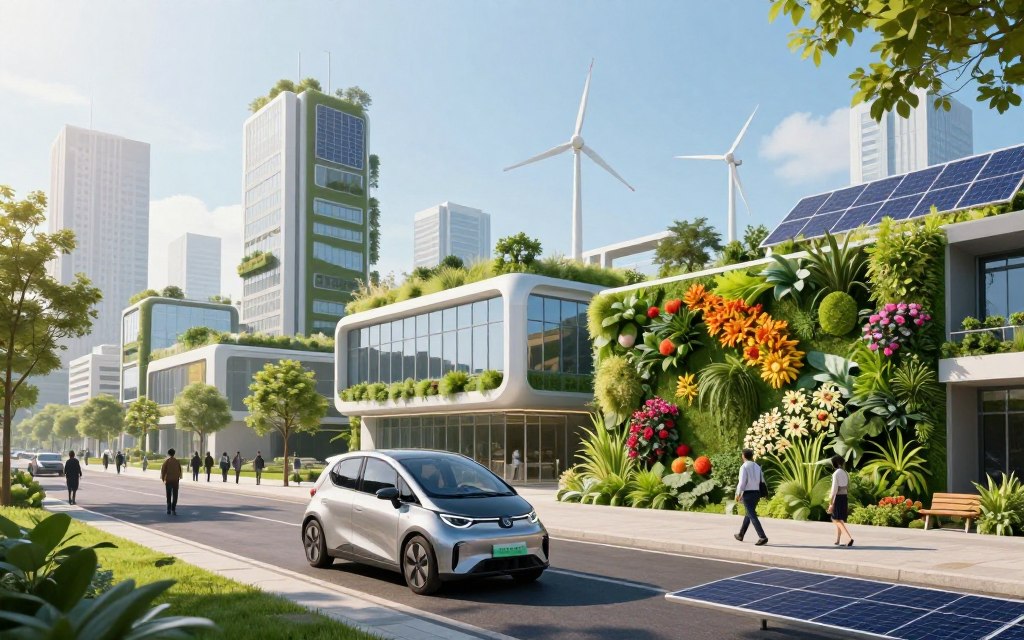
7. Technology in Environmental Monitoring and Conservation
Advanced technology is changing how we monitor and protect the environment. Environmental monitoring technology helps us observe ecological changes and respond more effectively than ever before. Satellite imaging and AI wildlife protection are two major areas of progress.
Satellite Imaging and Climate Tracking
Satellite imaging climate tracking helps scientists study Earth’s changes. Through remote sensing, scientists monitor forest loss, glacier retreat, and sea-level rise. These tools analyze wildfire damage, crop conditions, urban heat, coastal changes, air pollution, and water quality.
Repeated satellite observations help researchers find trends across large or hard-to-reach areas. This data supports climate models, disaster planning, carbon accounting, and environmental regulation enforcement. Combining satellite data with ground measurements and local knowledge improves accuracy, but resolution, cloud cover, and data access limit results.
AI in Wildlife Protection
Artificial intelligence is another powerful tool in conservation technology. Using camera traps, acoustic sensors, drones, and computer vision, AI helps detect poaching, track migration patterns, and identify endangered species. These tools monitor habitat changes and guide protected-area management.
AI offers major benefits, but safeguards must protect privacy, Indigenous rights, and data governance. Algorithmic bias and possible misuse by poachers also pose risks. Technology should empower conservation professionals and local communities, not replace their ecological expertise.
Timely information from these technologies can improve decision-making. Monitoring alone cannot protect ecosystems. Effective enforcement, funding, habitat protection, and sound policy are also crucial for sustaining our natural resources.
| Technology | Application | Benefits |
|---|---|---|
| Satellite Imaging | Climate Tracking | Identifies trends in environmental changes |
| AI Tools | Wildlife Protection | Detects poaching and monitors species |
| Remote Sensing | Data Collection | Enhances accuracy of environmental assessments |
8. The Role of Big Tech Companies in Environmental Sustainability
Today, Big Tech sustainability is a critical topic. Major technology companies shape markets and environmental stewardship.
Their actions can affect global sustainability efforts. As innovation leaders, they must drive change across operations and supply chains.
Achieving corporate carbon neutrality is a key part of corporate environmental responsibility. Companies must reduce direct emissions, address supply-chain emissions, and buy renewable electricity.
They may use carbon credits to offset emissions and pursue science-aligned net-zero targets. People must examine these promises carefully.
Clear reports should show baseline years, interim milestones, and additionality. These details separate real reductions from vague claims.
Corporate Carbon Neutrality Commitments
Many technology leaders have made ambitious carbon neutrality pledges. They aim to cut emissions while investing in renewable energy.
This combined approach supports a sustainable future. However, stakeholders must assess whether these commitments are genuine.
Apple’s Environmental Initiatives
Apple environmental initiatives have improved the company’s environmental footprint. Apple plans to use renewable electricity across its operations and suppliers.
The company also uses recycled materials and lower-carbon product designs. Packaging cuts and device trade-in programs help reduce waste.
Challenges remain, including complex supply chains and material sourcing. These issues require continued attention.
Google’s Carbon-Free Ambitions
Google has set an ambitious goal for Google carbon-free energy use around the clock. The company improves data-center efficiency and invests in renewable energy.
It also uses artificial intelligence for environmental applications. However, annual renewable-energy matching differs from actual hourly carbon-free electricity.
A full review must examine absolute emissions and value-chain impacts. This provides a clearer view of Google’s environmental work.
Corporate actions deserve praise, but they cannot succeed without regulations and industry-wide change. Big Tech sustainability efforts matter, yet lasting progress requires collective action.
9. Emerging Technologies Shaping a Greener Future
Emerging green technologies are building a more sustainable future. They aim to cut emissions while improving efficiency and conservation. Two key areas are carbon capture and storage and biodegradable materials.
Carbon Capture and Storage
Carbon capture and storage (CCS) helps fight climate change. It captures carbon dioxide from industrial processes or directly from the atmosphere. The captured CO2 is transported, stored underground, or used in various applications.
CCS is especially useful for sectors that are hard to decarbonize, including cement, steel, and chemicals. However, it requires high energy use, high costs, and strong infrastructure. Teams must monitor leaks and confirm that stored carbon remains permanent.
Biodegradable Materials and Green Manufacturing
Biodegradable materials are a key innovation for sustainability. They include bio-based polymers and compostable packaging, which reduce waste and fossil fuel use. Green manufacturing uses recycled feedstocks and low-carbon cement to support this effort.
Still, some biodegradable materials need industrial composting to break down effectively. Their production can also compete with food sources and affect land use. To use them fully, we need circular economy technology principles that design out waste, reuse materials, and recover resources.
For more insights on green technology, visit IBM’s green technology initiatives.
10. Balancing Innovation With Environmental Responsibility
Today’s fast-changing world must balance balancing innovation with environmental responsibility. Technology advances, so technology sustainability strategies must protect the planet and create positive impacts.
A practical approach is a thorough life-cycle assessment of each product and system. It covers raw material extraction, manufacturing, transportation, usage, maintenance, and eventual disposal. This review helps developers set measurable targets for emissions and resources.
To support responsible innovation, companies should use safer, recycled materials and design durable, repairable products. They should also publish supply-chain information openly and test environmental claims against recognized standards for credibility.
Policymakers help build a sustainable technology landscape through a clear sustainable technology policy. They should support clean electricity, right-to-repair regulations, and producer responsibility initiatives. Better recycling systems and sustainable procurement can improve resource management.
Businesses must measure Scope 1, Scope 2, and relevant Scope 3 emissions. They should cut absolute emissions, manage water use, and reduce waste. Less reliance on offsets can produce more meaningful sustainability outcomes.
Consumers can help balance innovation and environmental responsibility. Extending device life, choosing energy-efficient products, and repairing instead of replacing devices can reduce their environmental footprint. They can also join certified recycling programs and limit unnecessary data use.
Ultimately, judge innovation by real environmental outcomes, not only novelty. Technology helps most when it improves human well-being and eases pressure on climate systems, ecosystems, and finite resources.
| Stakeholder | Action Items | Expected Outcomes |
|---|---|---|
| Developers | Conduct life-cycle assessments, use recycled materials | Reduced emissions, sustainable product design |
| Policymakers | Support clean energy, establish right-to-repair laws | Enhanced recycling, responsible production |
| Businesses | Measure emissions, manage waste | Lower environmental impact, improved sustainability |
| Consumers | Repair devices, recycle responsibly | Extended product lifespan, reduced waste |
11. Conclusion
Technology has deeply affected the environment, creating both challenges and solutions. It supports cleaner energy, better resource management, and stronger environmental monitoring. However, it increases energy demand, electronic waste, and pollution. This relationship depends on governance, design choices, and energy sources.
The future of technology and sustainability offers promising opportunities. Innovations in renewable energy, electric transportation, and smart grids can drive significant progress. Conservation technologies and circular manufacturing can cut waste and support environmental responsibility, while e-waste and data-center use remain critical.
As we pursue this green innovation future, technology alone cannot solve environmental challenges. Sustainable progress requires collective effort, responsible innovation, effective public policy, and active consumer participation. Corporate accountability must protect natural systems while advancing measurable, repairable, and inclusive technologies.
The how has technology impacted the environment conclusion is clear: align innovations with science-based climate goals. Collaboration across sectors can ensure technological advances benefit the environment.