

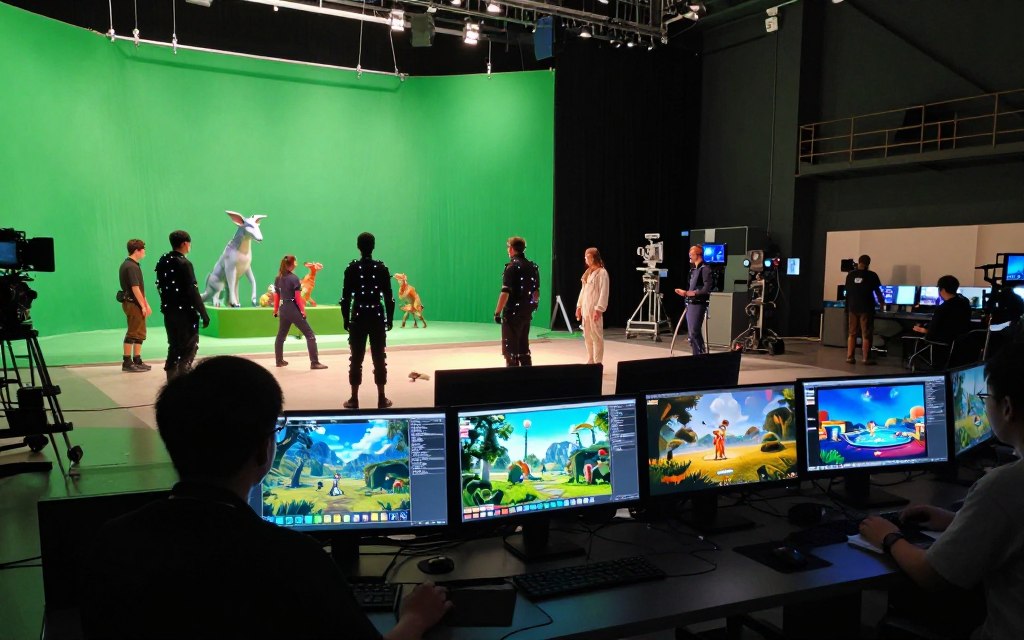
Computer-generated imagery, or CGI, is a cornerstone of modern filmmaking. CGI in film creates striking visuals for live-action dramas, animated films, and exciting science fiction adventures. It strengthens visual storytelling, character development, and world-building.
This article explores CGI’s history, role, and uses by asking: what is cgi technology used for in the film industry? It covers core production techniques, popular software, and visual effects studios’ creative work. It shows how CGI can lift stories while recognizing its practical limits.
CGI means imagery created or changed digitally, while visual effects cover a broader range of methods. These methods include practical effects and miniatures, common visual effects in movies. Knowing the difference shows CGI’s impact beyond spectacle, helping enrich stories and improve viewer experiences.
Key Takeaways
- CGI is a fundamental technology in contemporary filmmaking.
- It enhances storytelling through character development and world-building.
- CGI differs from visual effects, which include various production methods.
- Understanding CGI helps appreciate its role beyond just visual spectacle.
- CGI has practical limitations despite its many advantages.
The Evolution of CGI in Cinema
Computer-generated imagery has changed how movies tell stories. Its journey began with early experiments and led to the advanced CGI technology used today. As filmmakers sought fresh ways to engage audiences, the history of CGI showed human creativity and technological progress.
Early computer graphics faced strict limits because computers had little power. Simple geometric forms and wireframe models shaped these first efforts. In research, advertising, and title sequences, innovators showed how these experiments could lead to digital effects in cinema.
Early Beginnings of Computer-Generated Imagery
CGI began in the 1960s and 1970s, when pioneers like Ivan Sutherland developed groundbreaking techniques. Films such as “Westworld” and “Futureworld” used basic shapes and animation to show what computer-generated imagery could do. Yet CGI did not reach mainstream cinema until the 1980s, when “Tron” introduced a new visual language.
Milestones That Shaped Modern CGI
As technology advanced, key milestones shaped modern CGI. Digital rendering techniques in the 1990s made images more realistic. Films like “Jurassic Park” and “Terminator 2: Judgment Day” demonstrated CGI’s power and pushed the boundaries of on-screen possibilities.
Motion capture technology also transformed character animation, helping filmmakers create lifelike performances. Artists, engineers, and software developers worked together throughout this evolution. Each breakthrough improved realism, creative control, and production speed, allowing filmmakers to show subjects once considered impossible.
What Is CGI Technology Used For in the Film Industry?
Computer-Generated Imagery (CGI) is a powerful tool that transforms the film industry. It uses computer software to create, change, or improve images.
Related Posts:
- What Is Life Technology Exploring Biotech and Life Sciences

- What’s New in IT Technology? Key Innovations Shaping…
- Is a Laptop a Technology Understanding Personal Computing

- Technology and the Environment: Exploring the…

- How Wearable Technology Works Sensors and…
- How Assistive Technology Helps Students with Disabilities

CGI may be fully digital or combined with live-action footage, actors, props, and practical effects. This flexibility helps filmmakers tell stories that traditional methods cannot show.
CGI comes in two-dimensional and three-dimensional formats. Two-dimensional CGI uses flat images and animation, while three-dimensional CGI builds lifelike models and environments. The connection between CGI, animation, and film visual effects helps create engaging movie experiences.
Defining Computer-Generated Imagery
CGI technology creates striking visuals that strengthen film stories. It lets filmmakers create computer-generated characters and detailed digital environments that carry audiences into new worlds. These images range from fantasy landscapes to textured alien creatures, making CGI vital in modern filmmaking.
Primary Applications in Modern Filmmaking
CGI applications in the film industry serve many purposes. Here are its main uses:
- Creating lifelike creatures and characters
- Extending physical sets to enhance visuals
- Generating immersive environments
- Removing unwanted objects from scenes
- Adding crowds to create a sense of scale
- Simulating destruction and weather effects
- Recreating historical locations for authenticity
- Producing futuristic and space settings
- Supporting digital doubles for stunts and complex shots
Filmmakers use CGI for both spectacular visuals and small corrections. Digitally extended landscapes, enhanced vehicles, and impossible camera movements can create amazing scenes. The best CGI blends so well into a film that viewers may not notice the digital effect.
In conclusion, CGI technology is essential to modern filmmaking. It helps creators expand imagination and craft experiences that captivate and entertain audiences worldwide.
Core Techniques Behind Computer-Generated Imagery
Core CGI techniques form the backbone of modern filmmaking and help creators realize their visions. They include 3D modeling, rendering, texturing, and motion capture. Each technique helps turn an idea into a striking visual.
3D Modeling and Digital Sculpting
3D modeling for film creates digital characters, props, and environments through several techniques. Artists use polygonal modeling and digital sculpting to build detailed models. They design each model’s topology for animation, so characters move realistically on screen.
Models need enough detail for the camera’s distance while staying efficient for production. As digital sculpting techniques advance, artists create lifelike textures and forms that improve visual storytelling in films.
Rendering and Texturing
After model creation, the next steps are CGI rendering and texturing. Rendering calculates how light interacts with a scene and produces the final image. Texturing adds surface details, such as color, roughness, and reflectivity, making digital objects resemble materials like skin, metal, or glass.
This process helps audiences perceive depth and realism in CGI scenes. Effective texture mapping is essential for immersive environments that captivate viewers.
Motion Capture and Simulation
Motion capture technology records real human movements and applies them to digital characters. This technique makes animated performances more authentic. Also, visual simulation software can recreate natural phenomena such as fire, smoke, and water, adding realism to CGI scenes.
By separating captured human movement from procedural simulation, filmmakers create more dynamic, engaging sequences. Together, these techniques make CGI impressive while serving the narrative effectively.
| Technique | Description | Purpose |
|---|---|---|
| 3D Modeling | Creating digital representations of characters and environments | Foundation for CGI assets |
| Rendering | Calculating light interaction in a scene | Final image production |
| Texturing | Adding surface details to models | Enhancing realism |
| Motion Capture | Recording real movements for animation | Improving character authenticity |
| Simulation | Recreating natural phenomena | Adding dynamic elements to scenes |
The CGI Production Pipeline Explained
Understanding the CGI production pipeline shows how films come to life. It links creative choices, technical work, and post-production changes. Each stage supports the next, moving the project from an idea to the screen.
In the first phase, pre-production and concept design for film set the visual direction. Directors, production designers, visual effects supervisors, concept artists, and cinematographers work together. They create storyboards, develop concept art, run technical tests, and choose practical or digital methods for the project.
Pre-Production and Concept Design
During pre-production, detailed planning defines the visual style. The team creates previs (pre-visualization) before filming, helping adjust camera angles and scene compositions to match the artistic vision.
Asset Creation and Animation
After approval, the next phase is asset creation. Artists turn concept art into production-ready models, rigs, and textures. In character animation, animators bring static models to life; naming rules and version control keep departments organized.
Lighting, Rendering, and Compositing
The final stages involve lighting, rendering, and compositing. Artists light scenes for live action or synthetic looks, and rendering creates images from scene data. Compositing combines them with filmed footage, practical effects, and color adjustments; review cycles ensure continuity and visual coherence.
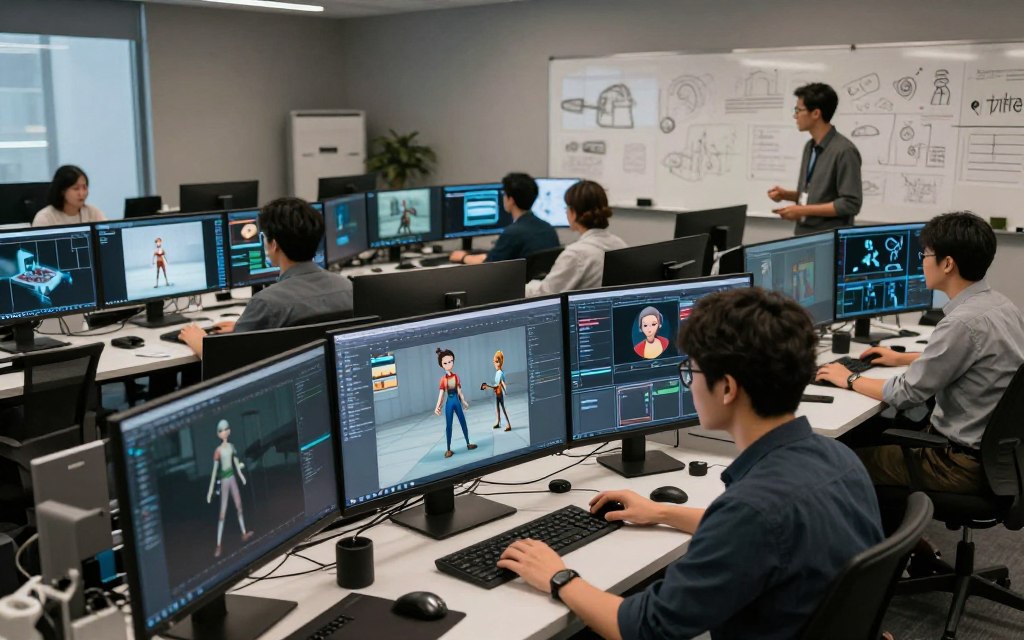
| Stage | Description | Key Personnel |
|---|---|---|
| Pre-Production | Planning and concept design | Directors, Concept Artists |
| Asset Creation | Modeling and rigging | 3D Artists, Animators |
| Lighting & Rendering | Finalizing visuals | Lighting Artists, VFX Supervisors |
| Compositing | Integrating elements | Compositors, Colorists |
The CGI production pipeline is dynamic and iterative. Changes in one department can affect later stages, so collaboration and communication matter throughout production.
Iconic Examples of CGI in Film History
These iconic films changed CGI film history and raised audience expectations for visual storytelling. Three landmark movies used computer-generated imagery in groundbreaking ways: Jurassic Park, The Matrix, and Avatar. They pushed technology forward while making their stories more engaging for audiences worldwide.
Jurassic Park and the Birth of Photorealistic CGI
In Jurassic Park, CGI and practical effects created realistic dinosaurs that captivated viewers. The film’s use of photorealistic CGI marked a major turning point for the industry. Movement, texture, and lighting made the creatures believable, while actor interactions deepened the immersive narrative.
The Matrix and Bullet Time Innovation
The Matrix introduced audiences to bullet time, a technique using dynamic camera angles and slow motion. Using a camera array, filmmakers captured action in a style audiences had never seen. This innovation showed how CGI can support traditional photography and improve the cinematic experience.
Avatar and the Rise of Performance Capture
With Avatar, director James Cameron raised performance capture to new heights. By blending actor performances with digital characters, the film created Pandora’s rich, immersive alien world and influenced countless films. Facial expressions and body language added emotional depth, setting a benchmark for character-driven CGI and showing storytelling’s importance.
How CGI Enhances Visual Storytelling
Visual storytelling with CGI changes how filmmakers tell stories and captivates audiences. It builds environments that reality cannot capture on film. From alien planets to ancient civilizations, CGI world-building creates settings that strengthen the narrative.
In immersive film worlds, careful attention to detail is crucial. Filmmakers use CGI to set a film’s tone and scale, while environments show its history and internal rules. Consistent lighting, atmospheric depth, and visual continuity make these worlds feel inhabited and credible.
Creating Immersive Worlds and Environments
Digital environments support cinematic world-building through vast landscapes and intricate details that traditional filming cannot achieve. These immersive worlds serve as more than backdrops; they become essential parts of the storytelling process.
Bringing Fantastical Characters to Life
CGI is essential for creating fantastical characters, including digital creatures and superheroes. These characters need expressive features and realistic movements to connect with audiences. Motion capture and keyframe animation help CGI characters show believable behavior and emotions.
Industry experts note:
“The best CGI characters evoke empathy by showcasing recognizable traits and emotions.”
This connection lets viewers engage with the narrative more deeply. It reinforces CGI’s value in modern filmmaking.
The Role of CGI in Action and Fantasy Sequences
CGI action sequences have changed film action and fantasy scenes. CGI improves visual storytelling and creates breathtaking scenes once deemed impossible. It raises excitement and brings fantasy to life for audiences.
In stunt work and crowd simulation, CGI plays a crucial role. Stunt enhancement improves practical stunts, removes safety equipment, extends jumps beyond human ability, and stages controlled destruction. Digital doubles perform specific movements, keeping actors safe while preserving the scene’s visual integrity.
Crowd simulation creates large groups of characters, such as soldiers in battle, concert spectators, and civilians in busy cities. Artists vary scale, timing, direction, clothing, behavior, motion, and appearance to make crowds dynamic and realistic. This detail prevents obvious repetition and enriches the viewing experience.
Moving to creature design and supernatural effects, creature effects create monstrous creatures, magical transformations, and other phenomena from imagination. Concept art comes first, followed by anatomy studies and movement simulations that build credibility. Lighting, sound design, and supernatural visual effects make these creations believable within the film’s context.
Even fantastical effects must follow consistent visual rules and physical reactions. This helps audiences follow the action and understand the stakes. By blending creativity with technical precision, CGI makes sequences bigger while serving the narrative, suspense, character goals, and plot progression.
Blending CGI with Live-Action Footage
Blending CGI and live action has changed the cinematic experience. It helps filmmakers create striking scenes that hold audiences’ attention. One main method uses green screen technology.
Green screen, or chroma key, films subjects before a single-color background. Editors replace this background digitally with another setting or scene. Even lighting separates the subject cleanly and helps create a seamless final image.
Filmmakers choose green or blue screens based on wardrobe colors and lighting conditions. Modern productions also use LED volumes and projected backgrounds for dynamic, immersive settings. This reduces reliance on traditional chroma key methods.
Digital Doubles and Seamless Integration
Another exciting part of blending CGI and live action is using digital doubles. They are digital replicas of actors, vehicles, or props for stunts and special effects. Digital doubles let filmmakers perform dangerous stunts safely while keeping action sequences consistent.
Digital doubles look believable when artists match perspective, lens distortion, and lighting direction. They make digital elements appear captured under the same conditions as the live-action footage. This care creates seamless visual effects that strengthen the story.
Leading Software and Studios Powering Modern CGI
Computer-generated imagery (CGI) relies on CGI software and skilled studios to shape modern film. Large productions often use several specialized applications instead of one program. This teamwork supports creative choices and precise filmmaking.
Industry-Standard Software Tools
Several CGI software applications now serve as industry standards. Each tool offers features for a different part of CGI production.
Autodesk Maya
Autodesk Maya is a leading platform for 3D modeling, rigging, animation, and scene development. Its complete toolset helps professionals create complex characters and environments.
Pixar RenderMan
Pixar RenderMan is a high-end renderer with physically informed lighting, shading, and image generation. It helps create striking visual effects and animation, especially for feature films. The challenges RenderMan has overcome helped strengthen its industry reputation.
SideFX Houdini
SideFX Houdini focuses on procedural workflows and simulation. It excels with destruction, fluids, smoke, fire, and particles, helping artists build complex environments and effects. These effects strengthen storytelling.
Major Visual Effects Studios
Visual effects studios also shape the CGI landscape. They blend artistry and technology to create powerful cinematic experiences.
Industrial Light & Magic
Industrial Light & Magic (ILM) has a long history with practical and digital effects. Founded by George Lucas, ILM helped set Hollywood’s visual-effects standard. Its pioneering techniques influenced countless films.
Weta Digital
Weta Digital is known for digital characters and performance capture. It helped create visual effects for films like “The Lord of the Rings” and “Avatar.” The studio pushed CGI beyond earlier limits.
Pixar Animation Studios
Pixar Animation Studios revolutionized the animation industry through character-driven production methods and innovative rendering techniques. Its storytelling has entertained audiences and inspired other studios to adopt similar approaches.
Challenges and Limitations of CGI in Filmmaking
CGI offers many possibilities, but production still brings serious challenges. The uncanny valley in film describes discomfort when digital humans or creatures look almost real, yet miss subtle details. Facial movement, eye focus, and skin response can feel wrong, making characters seem less authentic.
Visual authenticity in CGI depends on context, performance, lighting, and camera techniques. It is not only about high resolution or intricate details; CGI limitations also shape the result. A stylized, coherent design can connect better than almost lifelike photorealism that misses the mark.
The Uncanny Valley and Visual Authenticity
The uncanny valley in film shows why visual authenticity matters in CGI. Characters with unrealistic anatomy or unnatural timing may create discomfort instead of engagement. This calls for physical interaction and a consistent visual language.
Budget Constraints and Production Timelines
Another challenge involves budget constraints and tight production timelines. CGI production costs cover modeling, animation, rendering, and compositing, while revisions and data storage add more expense. Visual effects deadlines can cause bottlenecks, rushed reviews, and lower shot quality.
Early planning can reduce these problems through realistic shot breakdowns, previs, and asset reuse. Clear communication and strong coordination between filmmakers and effects vendors are vital. Practical effects or in-camera techniques may sometimes work better than relying only on CGI.
CGI is a powerful tool that needs careful management and creative vision. Understanding CGI limitations helps filmmakers use its strengths effectively.
Conclusion
Computer-generated imagery has transformed filmmaking. From early experiments to today’s cinematic visual effects, CGI strengthens stories in powerful ways. The benefits of CGI include immersive worlds, believable characters, and safe, complex action sequences.
The production process has several stages: concept development, modeling, texturing, animation, and compositing. Each stage plays a crucial role in achieving the desired visual outcome. The future of CGI in film promises real-time rendering and artificial intelligence tools for more efficient, innovative computer-generated filmmaking.
Successful CGI depends on skilled artists and a clear vision for supporting practical effects. As the industry progresses, artists must know when to blend CGI with traditional methods. Ultimately, CGI creates or enhances imagery that makes stories more immersive and visually captivating while meeting narrative needs.