

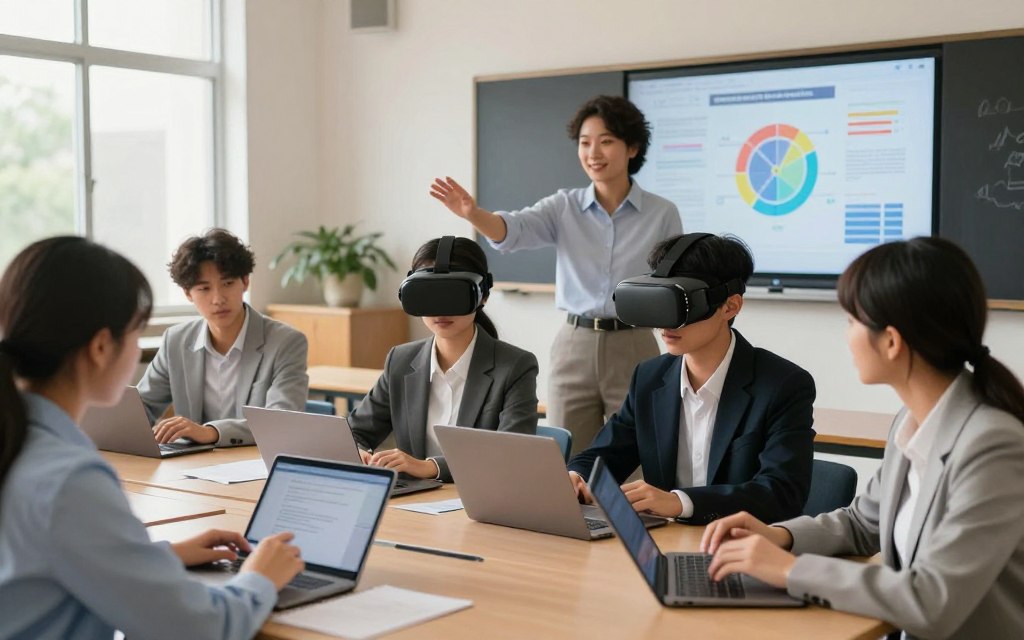
In recent years, education has changed greatly. Student learning technology gives students unprecedented access to information and resources. Many people ask, how does technology influence student learning? Understanding how this evolution impacts academic success matters to parents, teachers, and policymakers.
At its core, technology in education can improve personalization, engagement, and classroom collaboration. When guided by clear educational goals, it supports independent learning and improves access for all students. Digital learning platforms, learning management systems, and educational apps are reshaping instruction inside and outside school.
However, this rapid use of digital resources also creates challenges. Schools must address equity, screen time, distractions, privacy concerns, and teacher training needs. As we examine classroom changes, emerging tools, and effective strategies, we offer a balanced view of education’s future.
Key Takeaways
- Digital tools enhance student engagement and personalization.
- Access to technology can improve collaboration among peers.
- Challenges include equity issues and screen time management.
- Effective implementation requires clear educational goals.
- Emerging technologies can support independent learning.
- Understanding the impact of technology is essential for educators.
- For more insights, visit this resource.
1. The Digital Transformation of Modern Classrooms
Education is changing quickly as technology turns traditional classrooms into active learning spaces. Schools now combine print lessons with digital support and blended learning. This digital transformation in education changes lesson design and how students receive feedback, not just the tools they use.
Modern classroom technology includes laptops, tablets, and interactive whiteboards. These digital classroom tools make learning more engaging. Cloud-based assignments let students access materials anytime, anywhere, while learning management systems improve teacher-student communication.
Digital textbooks and video conferencing platforms now support daily instruction. They enable asynchronous activities and online collaboration, creating a more flexible learning environment. Blended learning combines face-to-face teaching with online elements, showing how technology can improve education.
Thoughtful implementation remains crucial. Schools need reliable connectivity, student data protection, and accessible tools, while teachers need support and clear device-use expectations. These steps help schools gain the benefits of educational technology trends.
As digital transformation in education grows, technology expands instructional possibilities but still needs strong teaching and human guidance. Technology should enhance learning, not replace essential teaching elements.
2. How Does Technology Influence Student Learning in Core Subjects
Technology supports learning in core subjects and advances technology and student achievement. Digital tools give teachers engaging, interactive activities for diverse learning styles.
Related Posts:
- How Assistive Technology Helps Students with Disabilities
- Does Technology Cause Stress The Link Between Tech…

- Is Fire Technology The Science of Firefighting and…

- How Technology Has Changed Consumer Behavior The…

- What Is Life Technology Exploring Biotech and Life Sciences

- How Can Technology Be Improved Addressing…

2.1. Mathematics and STEM Education
Digital tools for math and STEM learning technology help students understand complex ideas. Adaptive practice platforms give instant feedback about strengths and areas for improvement. Khan Academy, for instance, creates learning paths that match each student’s pace.
Also, graphing tools and coding environments help students visualize abstract ideas. They turn traditional math lessons into interactive, enjoyable experiences. As one educator noted,
“Using technology in math not only makes the subject more accessible but also more exciting for students.”
2.2. Reading, Writing, and Language Arts
Technology in language arts boosts engagement through tools like e-books and text-to-speech software. These resources support students who struggle with traditional reading methods. Collaborative documents provide real-time feedback and peer editing, building a learning community.
Technology can support writing, but it should complement—not replace—traditional skills. Close reading, original writing, and teacher feedback remain essential to literacy development. As noted by a literacy expert,
“Technology should empower students to express their ideas, not dictate how they write.”
2.3. Science and Social Studies
In Science and Social Studies, technology extends exploration beyond the classroom. Virtual science labs let students conduct safe experiments and better understand scientific principles. For example, Labster provides immersive lab experiences that students can access anywhere.
Interactive social studies lessons use interactive maps and data visualization tools to examine historical events and social trends. These resources build critical thinking and support meaningful, collaborative research. Educators must teach students to check sources and avoid misinformation.
3. Key Benefits of Educational Technology for Students
Educational technology offers many benefits that improve students’ learning experiences. It helps teachers meet diverse needs and build inclusive classrooms. This section explains three benefits of educational technology that are changing how students learn.
3.1. Personalized Learning Experiences
A major benefit of educational technology is personalized learning experiences. Adaptive platforms let students learn at their own pace with lessons matched to their readiness and preferences. For instance, personalized learning technology allows for:
- Flexible pacing, enabling students to progress through materials as they master concepts.
- Accessible formats that cater to various learning styles, including visual, auditory, and kinesthetic.
- Targeted practice, helping students focus on areas where they need improvement.
This approach builds deeper understanding. Students engage with content that fits their individual learning paths.
3.2. Improved Engagement and Motivation
Educational technology can also improve student engagement and motivation. Simulations and multimedia presentations make lessons more active and relevant. Tools like student engagement tools can support:
- Meaningful student choice, allowing learners to select topics that interest them.
- Timely feedback, helping students understand their progress and areas for growth.
- Active participation through collaborative projects and discussions.
When students feel motivated and involved, they become more willing to learn. This interest can continue beyond the classroom.
3.3. Enhanced Collaboration and Communication
Educational technology also improves collaboration and communication among students. Shared documents, discussion boards, and video conferences help students connect and work on projects. Collaborative learning platforms offer opportunities for:
- Peer review, enabling students to give and receive constructive feedback.
- Digital presentations, allowing for creative expression and teamwork.
- Project-based learning, which encourages real-world problem-solving and critical thinking.
These tools support students who need more ways to communicate. They also teach respectful online behavior.
The benefits of educational technology are significant. However, schools need thoughtful design, effective teacher support, and fair access to devices and connectivity. When used well, educational technology can transform learning for all students.
| Benefit | Description | Examples |
|---|---|---|
| Personalized Learning | Tailored instruction to meet individual needs | Adaptive platforms, targeted practice |
| Engagement | Increased student interest and participation | Interactive activities, timely feedback |
| Collaboration | Enhanced teamwork and communication | Shared documents, project-based learning |
4. Benefits for Teachers and Educational Institutions
Technology for teachers and educational institutions offers many benefits. It streamlines operations, strengthens instruction, and expands access to valuable resources.
4.1. Streamlined Administrative Tasks
Technology simplifies many daily administrative tasks for educators. Digital attendance systems track students efficiently, while automated assignment workflows distribute and collect work with little effort.
Digital assessment tools can automate grading and reduce assessment time. Digital platforms simplify parent communication and keep families informed about their child’s progress. This saves time and lets teachers focus on instruction.
4.2. Data-Driven Instruction and Assessment
With education data analytics, teachers can use evidence to guide instruction. Formative quizzes and progress dashboards reveal student understanding and help educators spot misconceptions quickly. Digital portfolios show learning over time and give teachers a complete view of progress.
Data can guide decisions, but it should not replace professional judgment. Schools must protect privacy, support transparency, and use responsible data governance to maintain trust.
4.3. Expanded Access to Teaching Resources
Technology gives teachers access to many online teaching resources. Open educational resources (OER) and digital libraries offer lesson plans, activities, and multimedia content. Virtual guest speakers add real-world perspectives to the curriculum.
Professional development courses and subject communities can improve teacher effectiveness. Teachers should check each resource’s quality, copyright status, and accessibility. These checks help resources meet curriculum standards.
| Benefit | Description | Example |
|---|---|---|
| Streamlined Tasks | Reduces time spent on administrative duties. | Digital attendance systems |
| Data-Driven Instruction | Utilizes analytics to inform teaching strategies. | Progress dashboards |
| Access to Resources | Provides a variety of teaching materials. | Open educational resources |
Ultimately, technology supports educators while preserving their vital roles as instructors, mentors, and evaluators.
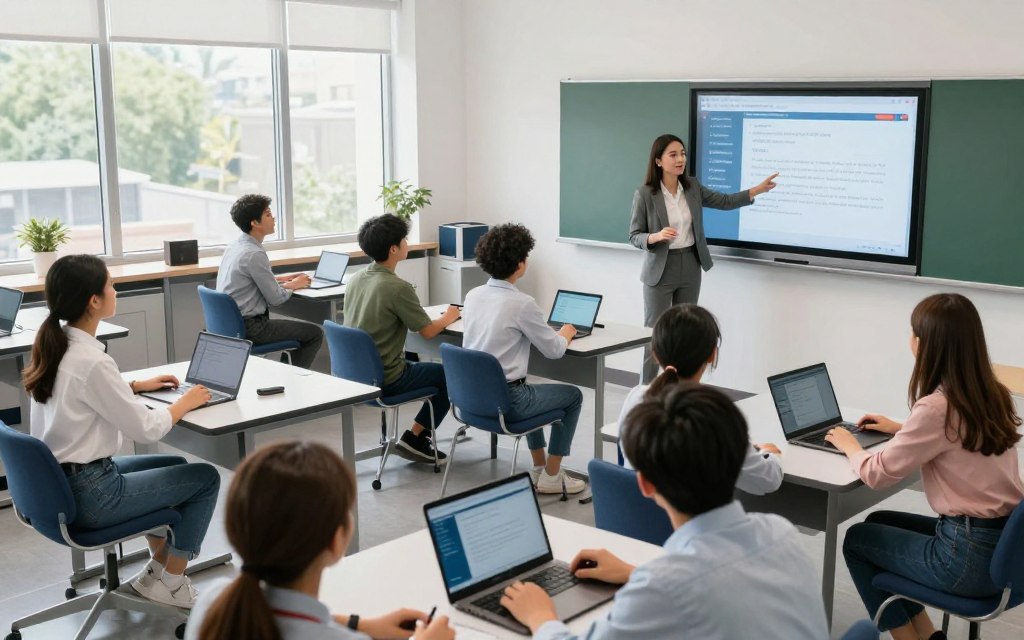
5. Common Challenges of Technology in Education
Technology can improve education, but the challenges of technology in education can limit its success. Teachers, students, and parents must understand these problems. Solving them can support fair and productive learning for everyone.
5.1. The Digital Divide and Equity Issues
The digital divide in schools blocks equal access to education. Many students lack high-speed internet or modern devices, creating unequal learning opportunities. Students in low-income areas may lack reliable home internet and struggle with technology-based assignments.
Access to technical support and assistive technology also varies widely. Students with disabilities may struggle when schools lack tools that support learning. Technology-based homework can widen achievement gaps, so schools must seek equal access for all.
5.2. Screen Time and Student Health Concerns
Another concern is excessive screen time in education. Long device use can cause eye strain, poor posture, less activity, and sleep problems. These effects can harm student health and well-being.
Educators should encourage age-appropriate breaks and offline learning activities. Balancing screen use with physical activity can protect health while preserving classroom technology’s benefits.
5.3. Distraction and Academic Integrity Risks
Technology can also threaten academic integrity and technology. Constant notifications and entertainment platforms can make it hard for students to focus. Multitasking may reduce information retention and weaken learning outcomes.
Easy copying and uncredited collaboration raise plagiarism concerns. Generative artificial intelligence tools make academic honesty more complex. Teachers should set clear device rules and teach source evaluation and citation.
Project-based assessments and oral explanations can build a culture of integrity. Clear technology policies can show students why academic honesty matters in a digital world.
6. Emerging Technologies Reshaping Student Learning
As education changes, emerging education technology is reshaping how students learn. These tools support more personal, engaging, and effective learning experiences. This section examines artificial intelligence, virtual reality, and gamification.
6.1. Artificial Intelligence and Adaptive Learning
Artificial intelligence (AI) is changing education through adaptive learning systems that meet individual student needs. These systems analyze performance in real time and adjust task difficulty. For example, AI-supported tutoring offers personalized recommendations, automated feedback, and content matched to each student’s learning pace.
AI can also support language learning and help non-native speakers. However, human oversight remains essential for responsible use. In artificial intelligence in education, privacy safeguards and bias monitoring protect student data and support fair learning.
6.2. Virtual Reality and Immersive Experiences
Virtual reality in classrooms creates immersive experiences that can transform traditional learning. Students can take virtual field trips, conduct laboratory simulations, and explore historical reconstructions without leaving their classrooms. These experiences may be difficult or impossible in conventional settings.
Schools must address cost, accessibility, and possible motion sensitivity. Teachers need proper preparation to use VR effectively and help students gain the greatest benefit.
6.3. Gamification and Interactive Platforms
Gamification in education adds game mechanics to learning environments and increases student engagement. Progress tracking, challenges, and immediate feedback can create interactive platforms. These features motivate students to take an active role in their learning.
Meaningful gamification differs from superficial rewards. Emerging tools should align with curriculum goals, address student needs, ensure safety, and provide educational value. When used well, gamification can greatly improve learning.
| Technology | Benefits | Considerations |
|---|---|---|
| Artificial Intelligence | Personalized learning, real-time feedback | Privacy concerns, need for human oversight |
| Virtual Reality | Immersive learning experiences, enhanced engagement | Cost, accessibility issues |
| Gamification | Increased motivation, interactive learning | Need for alignment with educational goals |
In conclusion, emerging education technology, including artificial intelligence, virtual reality, and gamification, offers great promise for student learning. When educators use these tools responsibly, they can create more effective and engaging learning environments. For further insights on improving technology in education, check out this resource.
7. The Role of Parents and Communities in Tech-Enabled Learning
Parents and educational technology are essential to effective student learning. Tech-enabled education reaches beyond the classroom and needs families, schools, libraries, community organizations, and local institutions. When parents take part, students are more likely to succeed in a technology-rich environment.
Parents can create a supportive home setting that strengthens their children’s learning. These steps provide useful home learning support:
Supporting Learning at Home
- Establish Consistent Routines: Set regular times for homework and study sessions to create a sense of stability.
- Create a Suitable Workspace: Designate a quiet area free from distractions where children can focus on their studies.
- Discuss Online Safety: Teach children about safe internet practices, including the importance of privacy and responsible behavior online.
- Review Assignments Together: Engage with your child’s schoolwork to understand their challenges and achievements.
- Encourage Independent Problem-Solving: Foster critical thinking by allowing children to explore solutions on their own.
- Set Boundaries for Recreational Screen Use: Balance educational technology with leisure time to promote healthy habits.
Families do not need advanced technical skills to provide effective support. Simple actions can greatly shape a child’s learning journey.
Community Partnerships and Resources
Community involvement can help improve technology access for students. Local groups support educational technology through these valuable resources:
| Resource Type | Examples | Benefits |
|---|---|---|
| Public Libraries | Free internet access, educational programs | Support for homework and research |
| Community Centers | After-school programs, workshops | Safe spaces for learning and collaboration |
| Museums | Interactive exhibits, educational tours | Hands-on learning experiences |
| Nonprofit Organizations | Technology training, device access | Addressing equity issues in tech access |
| Local Employer Partnerships | Internships, mentorship programs | Real-world experience and skill development |
Schools should communicate clearly with families and offer technical assistance. Understanding differences in family schedules, languages, and digital experiences helps build an inclusive environment. Community education partnerships can improve technology access for students and connect academic learning with authentic local opportunities.
“Education is not preparation for life; education is life itself.”
8. Preparing Students for a Technology-Driven Future
Today’s fast-changing world makes technology skills vital for student success. Students need digital literacy and critical thinking to thrive in a digital landscape.
8.1. Building Digital Literacy Skills
Digital literacy for students means more than using devices; it includes many skills. They must evaluate search results, spot credible sources, and manage passwords securely. Students also need to understand privacy settings and protect personal information online.
Effective digital communication is also essential. Students should create digital content and use accessibility features to support inclusion. Troubleshooting common technical problems helps students use technology confidently and independently.
Schools should teach digital literacy progressively across grade levels. It is an ongoing process that changes as technology evolves, not a one-time lesson.
8.2. Developing Critical Thinking in the Digital Age
As students use technology, critical thinking and technology skills become essential. They must navigate misinformation, manipulated media, and algorithmic recommendations. Media literacy education helps students recognize confirmation bias and persuasive online advertising, separating facts from fiction.
Encouraging students to ask questions is key. They should ask who created information, what evidence supports it, and whose perspective is missing. They should also verify claims, building skepticism and analysis for college, employment, and civic participation.
Technology fluency must pair with judgment, creativity, empathy, collaboration, and ethical responsibility. These future-ready skills can help students thrive in a technology-driven world.
9. Strategies for Successful Technology Integration in Schools
Schools need technology integration strategies to use technology well. These plans should connect tools with clear educational goals. They also need teacher professional development and balanced, purposeful technology use.
Professional Development for Educators
Educator training should go beyond basic technical demonstrations. Teachers should link tools to learning goals, assessments, and classroom management. Strong programs support effective educational technology implementation through:
- Hands-on practice with technology tools.
- Peer coaching to foster collaborative learning.
- Model lessons that demonstrate effective integration.
- Support from instructional technology specialists.
- Opportunities for collaborative planning among educators.
- Ongoing follow-up to reinforce learning.
Balanced and Purposeful Tech Use
Schools should identify learning challenges before choosing platforms or devices. This purposeful technology use keeps tools focused on stronger learning. Use these strategies:
- Blend digital and offline activities to maintain engagement.
- Protect time for discussions and physical activities.
- Offer accessible alternatives for all students.
- Review student workload to prevent overload.
- Assess whether a tool genuinely improves learning outcomes.
Effective educational technology implementation includes these steps:
| Step | Description | Outcome |
|---|---|---|
| Audit Infrastructure | Evaluate existing technology resources and needs. | Identify gaps and areas for improvement. |
| Consult Stakeholders | Engage teachers and families in discussions. | Ensure diverse perspectives are considered. |
| Pilot Programs | Test new tools in a controlled environment. | Gather data on effectiveness before full implementation. |
| Measure Outcomes | Assess the impact of technology on learning. | Make informed decisions based on evidence. |
| Update Policies | Revise technology use policies as needed. | Ensure alignment with current practices and goals. |
Effective integration is an ongoing process guided by teaching, evidence, inclusion, and student well-being. These strategies can create technology-rich schools that improve learning for all students.
For more insight into how technology assists students, explore this resource.
10. Conclusion
The future of student learning is bright because technology expands education’s reach. The impact of technology on education appears in wider resource access, personalized instruction, and stronger engagement. It supports student teamwork, faster teacher feedback, and preparation for a connected society.
These benefits do not happen automatically. Fair access to technology, thoughtful instructional design, and teacher expertise remain essential. Responsible data practices and healthy technology habits are crucial to maximizing effective digital learning.
Strong family and community support also plays a vital role in this system.
Challenges include the digital divide, excessive screen time, distraction, and misinformation. Schools must address privacy and academic integrity concerns. They should judge technology by how it strengthens learning relationships, builds essential skills, and improves inclusion.
Ultimately, education remains human-centered, with technology enhancing, not replacing, excellent teaching and meaningful student participation. The question “how does technology influence student learning” guides this approach. Following these principles helps create a more effective and inclusive environment for all students.